A complete TMUA preparation programme built from years of coaching applicants to Cambridge, Imperial, LSE and Oxford — efficient methods, the reasoning examiners reward, and relentless timed practice on our own topic-organised question bank.
This is not a re-run of your A-Level syllabus. The TMUA rewards how you think, not how much you can calculate — so every session trains you to read a question, recognise its structure and reach for the fastest reliable method. We start topic by topic, then move to mixed papers and full timed mocks, with the most recent official papers saved for realistic rehearsal.
배우게 될 내용
주제별로 정리된 TMUA 전체 시험범위와 기출 예제 풀이
시간압박 속에서도 정답에 도달하는 효율적이고 신뢰할 수 있는 방법
페이퍼별 전략: Paper 1·2 시간배분과 테크닉
자주 나오는 문제 유형과 즉시 알아보는 법
Paper 2 논리와 증명: 필요·충분조건, 함의, 반례
시험 대응력: 시간관리, 정확성, 그리고 침착함
커리큘럼
Seven blocks across fifteen 90-minute sessions — building from Paper 1 problem-solving to Paper 2 logic and proof, and finishing on full timed papers.
1대수와 함수이차식, 다항식, 부등식, 로그3 세션4.5 시간
2수열과 급수등차·등비수열, 이항전개2 세션3 시간
3기하와 삼각함수좌표기하, 라디안, 항등식, 그래프2 세션3 시간
4미적분과 해석학미분, 적분, 곡선 스케치2 세션3 시간
5수와 계산, 확률정수론, 조합론, 확률2 세션3 시간
6논리와 증명 (Paper 2)함의, 한정기호, 반례, 증명3 세션4.5 시간
7시간제한 문제풀이 및 리뷰실제 시험 환경의 모의고사와 피드백1 세션1.5 시간
합계15 세션22.5 시간
자주 묻는 질문
Applicants to Cambridge, Imperial, LSE, Oxford and any course that requires the TMUA — whether you are starting early or only a few weeks from the test.
No. We build the knowledge required as we go, and before the first session students review a short list of prerequisite concepts. Topics not yet covered at school can be self-studied or supported in extra sessions.
Fifteen 90-minute tutorials — 22.5 hours in total, three a week over five weeks. Topic and question-type work comes first, then mixed questions and full timed mock exams.
Official specimen and past papers, our own topic-organised question bank, timed question sets and full mock exams, plus solution notes and error logs.
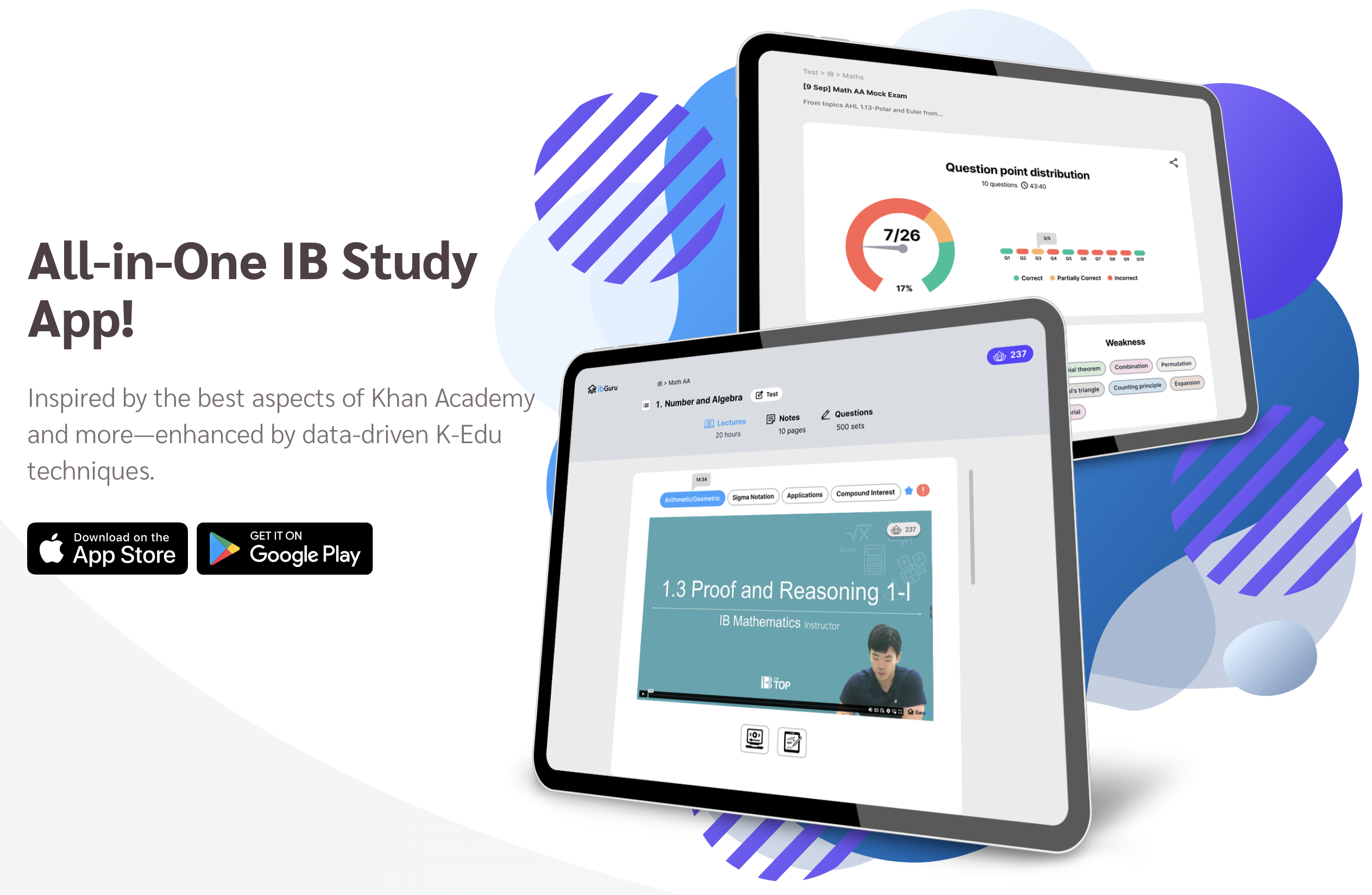
자기주도 학습 · iBGuru
Prefer to self-study the TMUA?
The TMUA section on iBGuru, our study app: lectures, study notes and practice questions organised topic by topic.